I updated the audio associated with this slideshare. This presentation does a deep dive on using tagging within a community of practice (CoP). It includes explores the creation of folksonomies and how to use tagging to engage and build a CoP. The presentation includes a couple of formative activities to assist in your learning.
Thursday, April 14, 2011
Wednesday, April 13, 2011
A home recording studio
I am preparing to record my first musical piece on the pipe and tabor using the home music studio. The piece will be twinkle twinkle little star. To start, I believe it would be useful to describe the technology within the home studio and why we decided on the setup we have.
Requirements:
We had a generic set of music and audio recording requirements. Where the system would mostly be used for my daughter in her music recording and composition and for my recording of podcasts, screencasts and music recording. Our requirements were as follows;
We found ourselves an inexpensive desktop machine running Windows XP with a big HD and lots of RAM and a reasonable monitor and video card. We added a wireless card so we could attach the household wireless network without stringing any wires around the house. We chose a M-Audio FastTrack Pro as the main "hub" to attach all the components within our requirements. A strong benefit of choosing the M-Audio is it came packaged with Ableton Live a Digital Audio Workstation that provides all of the features (and more) than we require. After installing Ableton Live we were prompted to install the free upgrade, this included over 100 instruments. We also included an Audio-Technica microphone kit with both an instrument microphone and voice microphone. This mix of the M-Audio FastTrack Pro combined with Ableton Live, the Audio-Technica microphones and some MIDI and microphone cables provide us with all we need. And in the last six months my daughter has composed a number of pieces and managed to get an interview on a local coop radio station.
Recommendations:
If you do go down a similar path with this hardware and software configuration I strongly recommend you invest time in understanding the relationship between the system settings for your audio devices, your internal soundcard, the m-audio device and the Ableton Live software. Once you figure out how to configure these to work together with the USB connected m-audio device you will be able to better manage how all the devices work together. I know this seems like an obvious statement, but once I had a deeper understanding how these worked (beyond just getting it working) I was much better at utilizing all the individual components and was able to use other software within the whole setup.
Audacity:
All my effort in putting this system together and understanding its configuration has paid dividends. With my working on a #nophd I am now back to creating podcasts, screencasts and slidecasts and my tool of choice is audacity for audio recording. It is a great opensource audio editor which I am already familiar. I really like the crispness and clarity recording through the new microphone configuration, it is much cleaner than using an internal microphone or an inexpensive headset microphone. Soon the decision will come if I use audacity or ableton live to record my musical efforts... expect a new post soon on this music recording topic.
Requirements:
 |
| MIDI ports and cabling |
- Works well with our existing Yamaha MIDI keyboard
- Records acoustic instruments, including voice
- Allows for multi-track music composition and includes a good suite of built in instruments
- Total costs less than $1000.00
We found ourselves an inexpensive desktop machine running Windows XP with a big HD and lots of RAM and a reasonable monitor and video card. We added a wireless card so we could attach the household wireless network without stringing any wires around the house. We chose a M-Audio FastTrack Pro as the main "hub" to attach all the components within our requirements. A strong benefit of choosing the M-Audio is it came packaged with Ableton Live a Digital Audio Workstation that provides all of the features (and more) than we require. After installing Ableton Live we were prompted to install the free upgrade, this included over 100 instruments. We also included an Audio-Technica microphone kit with both an instrument microphone and voice microphone. This mix of the M-Audio FastTrack Pro combined with Ableton Live, the Audio-Technica microphones and some MIDI and microphone cables provide us with all we need. And in the last six months my daughter has composed a number of pieces and managed to get an interview on a local coop radio station.
 |
| M-Audio Fasttrack Pro and the mix of devices it can attach. |
Recommendations:
If you do go down a similar path with this hardware and software configuration I strongly recommend you invest time in understanding the relationship between the system settings for your audio devices, your internal soundcard, the m-audio device and the Ableton Live software. Once you figure out how to configure these to work together with the USB connected m-audio device you will be able to better manage how all the devices work together. I know this seems like an obvious statement, but once I had a deeper understanding how these worked (beyond just getting it working) I was much better at utilizing all the individual components and was able to use other software within the whole setup.
 |
| Audacity audio recording window |
All my effort in putting this system together and understanding its configuration has paid dividends. With my working on a #nophd I am now back to creating podcasts, screencasts and slidecasts and my tool of choice is audacity for audio recording. It is a great opensource audio editor which I am already familiar. I really like the crispness and clarity recording through the new microphone configuration, it is much cleaner than using an internal microphone or an inexpensive headset microphone. Soon the decision will come if I use audacity or ableton live to record my musical efforts... expect a new post soon on this music recording topic.


Monday, April 11, 2011
Director of IT, Part 1: Responsibilities - Strategy & Planning
Described here are the Strategy and Planning Responsibilities for the Director of IT within the online adult education or professional development space. The post is formatted so the responsibility is identified as the bullet-ed point where the why it is important is highlighted as dark red and in italics.
Strategy & Planning

Implementation & Deployment


 A complete description for the Director of Information Technology as a pdf follow this link; http://www.rawsthorne.org/docs/directorofit.pdf
Strategy & Planning
- In partnership with the organizations leadership team, identify opportunities and risks for delivering the company’s services as a mobile and web-based business, including identification of competitive services, opportunities for innovation, and assessment of marketplace obstacles and technical hurdles to the business success.
Most important here is identifying opportunities and risks in mobile, tablets and web-based business, due to the rapid changes with online adult learning. Also IT experience is required to assess technical hurdles when identifying opportunities for innovation, do not underestimate strength in tenured IT professional for this task.
- Identify technology trends and evolving social behaviour that may support or impede the success of the business.
Being a "student" of Web2.0 and semantic web is very important as these paradigm changes are having an increasing impact in how people use, interact with and learn socially online. In particular, it is becoming increasingly recognized that social and networked learning is the emerging learning paradigm for adult life long learners. The recent trend of leadership transparency and open data are also important trends which provide great benefit to IT.
- Evaluate and identify appropriate technology platforms (including application frameworks and the deployment stack) for delivering the company’s services.
There is a plethora of technology platforms to implement solutions within the adult learning realm. Some are proprietary, some are open source. Choosing the best platform given existing systems and restraints for delivering solutions is a business driven decision heavily influenced by IT knowledge and insight. This is particularly important when thinking about total cost of ownership and the costs of integration.
- Lead strategic planning to achieve business goals by identifying and prioritizing development initiatives and setting timetables for the evaluation, development, and deployment of all mobile and internet-based services.
This is most important for getting to completion. The project dependencies and critical path needs to be determined with a greater depth of knowledge in how the complexities and dependencies can impact schedule and downstream projects. This in particular requires breadth of IT experience.
- Participate as a member of the senior management team in establishing governance processes of direction and control to ensure that objectives are achieved, risks are managed appropriately and the organization’s resources are used responsibly, particularly in the areas of software development, office networks and computers, and telecommunications.
Voices of experience are essential when establishing governance processes, when initiating and improving governance within the realm of IT this should include all senior management views, including the experienced IT view. Director level skill, knowledge and experience is important in getting it right. To move forward with governance the organizations underlying assumptions need to be challenged and processes improved to accommodate changes brought by rapidly changing IT. A review of double loop learning and the learning organization can assist.

Collaborate with the appropriate departments to assess and recommend technologies that support company organizational needs.
Assessing and recommending technologies requires having an overall knowledge of the organizations IT infrastructure, its active projects and running software. This is also best done with an IT portfolio management approach combined with capabilities-driven IT strategy, for these include great insight into all current IT and near to release software and work toward increasing overall IT (and business) success.
- Establish a governance process that meets government, partner, and company expectations for customer information privacy.
Keeping an eye on this is very important. Most jurisdictions have information and personal privacy laws and these need to be respected. Many organizations will have more than one IT initiative that is internet / student / customer focused. Ensuring that information privacy is honored should be one persons responsibility. Given technical complexity this should be the Director of IT's responsibility.
- Direct development and execution of an enterprise-wide information security plan that protects the confidentiality, integrity, and availability of the company’s data and servers.
Given the importance of corporate data / information this should be the responsibility of one person on the senior management team, the Director of IT is the best choice.
- Direct development and execution of an enterprise-wide disaster recovery and business continuity plan.
Given the importance and technical nature of disaster recovery and business continuity this should be the responsibility of one person on the senior management team, the Director of IT is the best choice.
- Communicate the company’s technology strategy to board of directors, management, staff, partner organizations, customers, volunteers, and stakeholders.
Someone needs to be responsible for evangelizing the company's technology strategy. This should not fall to another C-level role(s) as their priorities and voice is focused on other areas of the business. Director of IT needs to be seen as responsible and owning the technology strategy, communicating it is the best way for this to be done.
Implementation & Deployment
- Select and set up web-based internal communications systems, such as a wiki, blog, chatroom, project management, and bug tracking systems (in the absence of a system administrator).
This should encourage transparency on all internal projects. Through openness dialogue increases and people have a better opportunity of being aware of all activities. These repositories contribute to the business / collective intelligence and knowledge management for the organization, all these sources should be indexed with internal search engine. If system administrator is available they should be made responsible for selection and setup.
- Collaborate with the senior management, staff and potential customers to develop use cases (or user stories) and specifications that describe the implementation of the company’s services as mobile and internet applications.

Being Agile in your approach to systems development is very important to your organisations nimbleness and success. Engaging the decision makers and customers when designing and implementing is also insanely important. The Director of IT should champion the gathering of use cases / user stories and use these to drive development.
- As a member of the senior management team, establish a customer service and support process, with particular responsibility for mobile and web-based services that implement the support function.
Moving customer service and support to a self-serve approach with rich-media resources available on mobile and web based interfaces. Customer service should help those who cannot help themselves. Setting up an online community for customer self-serve support with customer service engaged in the online community.
- Establish a process to integrate customer service and support with the software development process to support resolution of customer issues and improve application usability.
Creating a deeper connection between the customer and the software developer will increase the usability and focus the features to increase customer engagement Customer service should consolidate and manage the incoming user issues and provide support for the customer facing features and usability enhancements.
- Collaborate with a User Experience Designer and potential customers to prepare wireframes or mock-ups of a prototype of the company’s applications.
Engaging customers in design is a really good idea. The lean software movement (if I can call it a movement) is a strong advocate for customer engagement. And for good reason...
Using wireframes is also a great way to engage in a discussion about what is important within the User eXperience (UX) and how the software is supposed to work. It also allows important information to be discovered before the development effort gets to far down the path. Wireframes save time and money.
- As a member of the senior management team, participate in the selection of a graphic designer(s) who will create the company corporate identity and design the web application’s look and feel. Ensure that the graphic designer(s) have sufficient web experience, follows guidelines established in the User Experience design process, and delivers assets that can be easily adapted to mobile, tablet and web requirements.
This is about getting the right mix of design savvy and technical abilities. Having the Director of IT of other senior IT person to assess the designers technical abilities, particularly as they relate to mobile and tablet. Things are changing rapidly and UX is changing rapidly with the emergence of new devices and UI standards. Getting the correct designer is very important. The selection process needs to include investigation of the candidates ability to follow guidelines and be aware of industry standards.
- Participate in the selection and registration of the company’s web site domain names, including any related-but-unused domains that could compromise the integrity of the business (through competition, typosquatting, etc.).
Protecting brand and driving traffic to the companies site is very important. This will also become a part of the Search Engine Optimization as driving traffic becomes increasingly important.
- Select and set up a software revision control system and repository (in the absence of a system administrator).
Good version control encourages collaboration. Versioning should be a practice applied to software code as well as database creations scripts and design documents. Begin thinking outside the box here, find very efficient was to capture design (recorded video, constant blogging, etc. ) and index all the repositories across a federated search engine for fast retrieval.
- Select and manage company staff or outsourced vendors who will implement a design as mobile, tablet and web pages using CSS, XHTML and HTML5 conforming to web standards.
User eXperiance is quickly consolidating around open standards for UI creations and cross platform abilities. The CSS and HTML5 standards are ones to be embracing. Particularly if you are wanting to be well prepared for coming mobiles and tablets.
- Select or define the company’s software development methodology.
A consistent software development methodology both internally and with you partners greatly assist in getting to completion. Steps are less likely to be missed and roles and responsibilities are better understood. Best to choose a methodology that suits the internal team best and then seek out partners that come with the same methodology.
- Establish a specification conformance and testing regimen based on user stories and the User Experience design.
End-to-end traceability is very important for a mature software development methodology. Basing testing and conformance upon user stories becomes very powerful in that many other software development events can be derived from this practice. These events include determining the heartbeat of the software development team, estimating effort, quality and software deployment practices.
- Promulgate coding conventions and documentation standards.
Someone needs to evangelize the need for coding standards and documentation. Who best then the Director of IT.
- Review current best practices for the selected mobile, tablet, web and application frameworks and establish the architecture(s) for all applications.
This is about finding the best architecture for each and all of your product offerings. Its about having one person responsible in ensuring all what you offer online works together, is costing the least it can, performs well and exceeds the customer expectation. The one person responsible for all this should be the Director of IT while working closely with solution / infrastructure architect(s).
- Select and manage company staff or outsourced vendors who will implement the applications.
Having the right people, in the right place, at the right time takes experience. Identifying these people and managing to their strengths takes good leadership. Having an experienced Director of IT with proven leadership abilities goes a long way in putting together teams to complete application implementation.
- Develops business case justifications and cost/benefit analysis for technology initiatives. Prepares request for proposals (RFP's) for technology equipment and services.
Having IT initiatives grounded in business cases and cost / benefit analysis helps to build understanding, create the discussion and the supporting documentation to determine where all technology initiatives fit within the organization IT portfolio. Once the projects are identified that provide the greatest business benefit these can managed within the organizations IT or be put out to RFP to determine an appropriate vendor. RFPs well managed can provide insight into potential solutions as well as the potential vendors.
- Liaise with vendors and service providers to ensure efficient and cost-effective acquisition of technology purchases; oversee warranties and service agreements.
Working with technology vendors and service providers is a partnership that can become more valuable through time. Technology solutions fit better when they are made with knowledge (both historical and current) of the workings and strategy of the business. Having alignment of these with technology purchases, warranties and agreements assist in having good partnerships and integrated solutions.
- Establish and supervise the software development process, setting short-term objectives and assessing progress as defined by the selected software development methodology.
Identifying and establishing the heartbeat for IT is the Directors responsibility. All software development teams establish a heartbeat based on how frequently they deliver software with how many features. Having a solid software development methodology encourages this kind of consistency. Communicating the themes and objectives of each new release should be aligned with the business strategy and IT portfolio.
- Conduct code reviews and specification conformance testing as defined by the selected software development methodology.
Code reviews and testing is an essential part for great software. This needs to be championed by a senior IT person and the Director is best as champion. I strongly believe that an Agile software development methodology is the best way to go, therefore the code review would be done via the pair during their pair programming (or whatever the teams derivative of pair programming becomes). Having dedicated testers that are not the programmers is a good idea. The tests should be derived from the user stories and automated. Taking a Test Driven Development approach is a really really good idea.
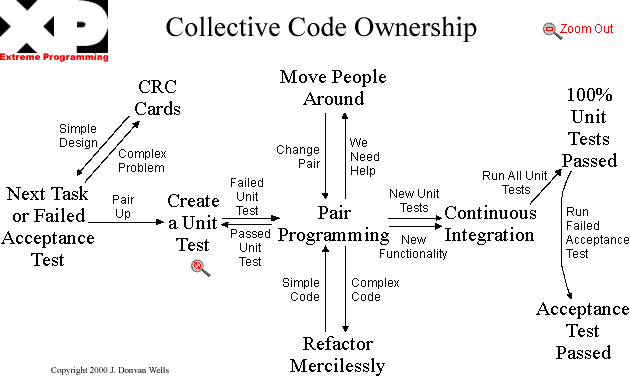
- Establish and supervise a quality assurance process, including integration and system testing.
This responsibility is closely tied to the previous one as code reviews and testing is a part of quality assurance. How this differs is that code reviews and testing at the development (or programmer) level are focused upon each unit, feature and / or use case. The level of quality assurance within this responsibility has to do with the system as a whole from system, integration and user experience testing. It is often a good idea to move these quality assurance activities far away from the application software developers. To be thorough here the Director of IT could move this aspect of quality assurance out to the other areas of the business, where these users work with professional testers to complete the final rounds of testing.
- Select, deploy, and monitor performance profiling tools and procedures.
They say, "if you can measure IT, you can manage IT." (a play on Peter Drucker's quote) The idea being that you need solid insight (show me the data) into what is going on to be able to intervene and make improvements. The software development life cycle and production IT environments are no different. The Director of IT should have tools and procedures to gather this insight, they should also be responsible for making sure these tools (and accompanying reports) are available to all staff.
- Review and approve proposed development releases and manage the release process.
facilitating the decision process(es) to determine the features to include in the next release is key responsibility of the director. The actual decision should be the users, business analyst(s) and subject matter experts responsibility, the Director needs to be sure the feature list is within the teams heartbeat of features and schedule. And ensuring releases make it through to production release is also the Directors responsibility.
- Evaluate and select web application hosting providers.
Given the 7x24 and administrative value found in hosting servers in the cloud or at a co-location it doesn't make sense to build up your own internal (Internet facing) server infrastructure. Considering all the issues of information privacy, internal knowledge, disaster recovery, connectivity, etc... it becomes an important decision of where to place the server infrastructure.
- Establish an application deployment process and supervise deployment to staging and production servers.
Moving deployment through to production should be rigorous with well known procedures and schedule that best suits the running of the business and encourages customer utilization. New features should be deployed at times that best suit the customer while providing IT the metrics to stabilize and monitor the release.
- Monitor application performance and review any application failures in staging or production.
Having automated and instantaneous feedback from the application, in particular during release cycles. The ability to adjust quickly and tune for performance should be paramount during release. Having the authority to take action should fall the director or be appropriately shared.
- Establish and monitor a web analytics regime that measures site traffic and application usage relative to business goals.
Bring all web analytics data into management dashboards and business intelligence tools. Wherever possible map analytics to business goals.
- Support the marketing process by providing implementation of technical requirements for Internet marketing and search engine optimization.
Constantly align and optimize the website with the marketing initiatives, what can be found through one media, should be found from another online source. Driving traffic from multiple sources offers business benefit.

Sunday, April 10, 2011
Director of Information Technology
Six months ago I started to research the role of the Director of IT. In particular, what are the roles and responsibilities of this leadership position within the adult educational technology space. Describing this role drew on many of my competencies; I find my graduate studies and background in teaching adults is very important in understanding the educational space, in the end I found myself referencing my leadership experience as a technologist most frequently.
Providing leadership to this role is multifaceted and requires skills, knowledge and the ability to communicate across the organization. My approach to describing this position was to search and read many descriptions that fell within the CTO, CIO, Director, Founder, Architect and Educational Technologist. What I found can be described within three themes. Each theme is described in detail in the three following posts;
Director of IT, Part 1: Responsibilities - Strategy & Planning
This post describes the directors responsibilities toward leadership within the strategic planning process and in building the IT team. This is a very long post and gets into many aspects of keeping the IT team strong, thorough and focused on success. Strategy and planning for the Director of IT is about building a great team (either internal employees or external partners, or a mix of both) and aligning the IT strategy with the business. The business will provide the strategic plan, where IT will provide a large part of the tactical plan.
Director of IT, Part 2: Responsibilities - Operational Management
This post describes the director as an active participant in keeping IT nimble, setting direction, staying up to date with technology trends, keeping the team focused, releasing systems and software regularly, communicating with the staff, the IT community and with the executive and directorship, aligning IT success to the business strategy and contributing to the educational software community.
Director of IT, Part 3: Position Requirements
Where the first two posts describe what the Director of IT is responsible, this post describes the skills, knowledge and experience required to be successful in the role. A Director of IT in the educational space needs to have a solid background in IT (where they have occupied many IT roles), have a graduate level understanding of adult education and a broad understanding of both proprietary and open source technologies and how these two inter-operate.
Providing leadership to this role is multifaceted and requires skills, knowledge and the ability to communicate across the organization. My approach to describing this position was to search and read many descriptions that fell within the CTO, CIO, Director, Founder, Architect and Educational Technologist. What I found can be described within three themes. Each theme is described in detail in the three following posts;
Director of IT, Part 1: Responsibilities - Strategy & Planning
This post describes the directors responsibilities toward leadership within the strategic planning process and in building the IT team. This is a very long post and gets into many aspects of keeping the IT team strong, thorough and focused on success. Strategy and planning for the Director of IT is about building a great team (either internal employees or external partners, or a mix of both) and aligning the IT strategy with the business. The business will provide the strategic plan, where IT will provide a large part of the tactical plan.
Director of IT, Part 2: Responsibilities - Operational Management
This post describes the director as an active participant in keeping IT nimble, setting direction, staying up to date with technology trends, keeping the team focused, releasing systems and software regularly, communicating with the staff, the IT community and with the executive and directorship, aligning IT success to the business strategy and contributing to the educational software community.
Director of IT, Part 3: Position Requirements
Where the first two posts describe what the Director of IT is responsible, this post describes the skills, knowledge and experience required to be successful in the role. A Director of IT in the educational space needs to have a solid background in IT (where they have occupied many IT roles), have a graduate level understanding of adult education and a broad understanding of both proprietary and open source technologies and how these two inter-operate.
Thursday, April 07, 2011
Raskspace Step 4.1: Email Forwarding Server

 |
| High-level postfix and supporting services architecure |
- the mail server
- data storage
- forwarding to POP and IMAP
- security
- spam filtering
- other optional services
Given my architectural background I find images very useful in prompting questions, deepening my understanding and putting together an architecture. I have also come to the realization that what I am looking for is more of an email forwarding server. I am wanting to host half a dozen domain names with two to five email boxes per domain. Each email box will have a primary email and a couple of email aliases. All the email coming to these mail boxes will be forwarded to peoples respective gmail accounts. Given this forwarding I should be able to remove all of the services responsible for the POP and IMAP integration. This means I do not need the Courier half of the above diagram. I believe the architecture I am going to end up with is going to look like a simplified version of the above diagram.
 |
| Implementation without having Courier. |
- the mail server
- data storage
- security
- spam filtering
Tuesday, April 05, 2011
Rackspace Step 4.0: The Mail Server

- http://cloudservers.rackspacecloud.com/index.php/Mail_Server_-_Overview
- https://help.ubuntu.com/community/MailServer
- http://articles.slicehost.com/2010/3/1/barebones-postfix-install-for-ubuntu
- https://help.ubuntu.com/community/PostfixBasicSetupHowto
- https://help.ubuntu.com/community/Postfix
Monday, April 04, 2011
Rackspace Step 3: Creating the LAMP Server
In the past there was usually a number of steps to set up an Ubuntu cloud based LAMP server. This can also be done using a single command. However you install the AMP on your Ubuntu (Linux) Server one important thing to remember is to install the php-mysql package after mysql. Usually installation takes the following steps;
After running the apt-get command you will need to reboot the server to finish the install and preform a couple of tests to check everything is working. First test would be to point your browser at the ip address of your new server; if apache was installed correctly you should get the following web page;

- Install Apache
- Install MySQL
- Install PhP
# sudo apt-get install lamp-server^
After running the apt-get command you will need to reboot the server to finish the install and preform a couple of tests to check everything is working. First test would be to point your browser at the ip address of your new server; if apache was installed correctly you should get the following web page;

Once you have confirmation of the apache web server working you should then check the php and mysql features are also working. Creating a simple html / php script will help with this;
<html>Save a similar section of code with your MySQL username and password to a file with the .php extension in the root directory of your web server (should be /var/www) and point your browser at this new file. If all goes well you should get the following lines displayed in your browser. Congratulations, you have a running LAMP server (In a coming post I will talk about securing PhP and mySQL).
<body>
The Apache2 server works!</br>
<?php
print "PhP5 is working!</br>";
$usr = "username";
$pwd = "password";
$hst = "localhost";
$dbms = mysql_connect($hst, $usr, $pwd) or die("Unable to connect to MySQL");
print "Connected to MySQL!</br>";
mysql_close($dbms);
?>
</body>
</html>
Again, this would be an opportune time to do a complete backup of your LAMP server so you have an image to restore from as you continue in setting up your new server.The Apache2 server works!
PhP5 is working!
Connected to MySQL!
Rackspace Step 2: Securing the new server
The first step in setting up the new server should always be securing the server the best you can before you continue. An overview of this process can be found in the following video by Chad Keck.
A step-by-step description of this process can also be found on the Rackspace Cloud Server Knowledge Base. In summary the process of securing the new Ubuntu server included the following main steps (I've included a few links for your reading, particularly for configuring ssh and the firewall);
If all is good it would also be a good time to backup the server so you have a secured image to restore from as you continue down setting up the server.
A step-by-step description of this process can also be found on the Rackspace Cloud Server Knowledge Base. In summary the process of securing the new Ubuntu server included the following main steps (I've included a few links for your reading, particularly for configuring ssh and the firewall);
- Give the root account a new password
- Create a new administrator account and give it the correct permissions
- Update Ubuntu
- Lock down SSH connectivity
- http://cloudservers.rackspacecloud.com/index.php/Ubuntu_-_Setup#Basic_Firewall
- http://cloudservers.rackspacecloud.com/index.php/Introduction_to_iptables
- Firewall configuration
- Configure Ubuntu to reload these new configuration when it reboots
- Set the local timezone
If all is good it would also be a good time to backup the server so you have a secured image to restore from as you continue down setting up the server.
Sunday, April 03, 2011
Rackspace Step 1: Creating an account
I started to migrate all my sites to rackspace today. I've been a netnation user for many years and it has come to the point where they couldn't support want I wanted to do. I need to build some RESTful APIs and needed access to some of the server configuration files... after a number of support calls they said they couldn't do what I wanted.
I already have a number of clients who I've moved over to rackspace so it was time to do the same for myself. This process took a while for I needed to move a couple more clients off my netnation instances and clean up some old blogs that I wanted to keep around. All that is done, so I begin the move.
A great way to get started with creating a cloud server is to watch this introductory video;
The features that stood out for me from this introductory video is how you can do the following with a rackspace cloud server;
An important issue came up right off the start. I had set up a client using my preferred username and after contacting rackspace support told me I couldn't change the primary username for a rackspace account. I should have known better. A lesson well learned, never use a personal login name for a client. In the end its all for the better for I am going to use another preferred username and make it more robust by putting leets in both my username and password. A more secure solution.
After completing my account setup I created an API Key so I could access my rackspace instance from my android phone. This is a nice feature that would allow me to either soft or hard reboot the server, allow me to resize a server (most likely due to performance needs) or delete the server completely. I'm looking forward to more features becoming available with the android app; the ability to backup and recover. After that a nice ssh app for the android and all would be good...
I already have a number of clients who I've moved over to rackspace so it was time to do the same for myself. This process took a while for I needed to move a couple more clients off my netnation instances and clean up some old blogs that I wanted to keep around. All that is done, so I begin the move.
A great way to get started with creating a cloud server is to watch this introductory video;
The features that stood out for me from this introductory video is how you can do the following with a rackspace cloud server;
- create a new server instance from a backup, allowing you to create a "template" image that you can use for subsequent cloud servers.
- the ability to rescue a server from another server instance by mounting the "damaged" servers file system.
- rebuild a server by restoring it from a backup without losing the servers existing IP address.
 |
| Rackspace android app |
After completing my account setup I created an API Key so I could access my rackspace instance from my android phone. This is a nice feature that would allow me to either soft or hard reboot the server, allow me to resize a server (most likely due to performance needs) or delete the server completely. I'm looking forward to more features becoming available with the android app; the ability to backup and recover. After that a nice ssh app for the android and all would be good...
Wednesday, March 30, 2011
OpenStack is some serious shit!
Being backed by Rackspace, NASA, Dell, Citrix, Cisco, Canonical and over 50 other organizations make this a force to be reckoned with... and two of my current favorites of Rackspace and Canonical... and given I run nothing but Dell (servers, desktops and laptops) at home with a mix of XP, Vista and Ubuntu, I'd have to say Dell could be considered a favourite as well. I digress. OpenStack is going to provide the freedom to move your applications around with relative ease, if your an IT shop with Internet facing applications / servers I'd strongly suggest you start becoming aware of OpenStack and where available, playing in this architecture for building apps and sites.
Ignore copyright and blissfully create OER
One of the themes coming from SXSW was comments that 4chan founder Christopher "moot" Poole made in how Mark Zuckerberg (Facebook founder) doesn't get it. And how anonymity isn't cowardice but allows a greater freedom to create. I agree.
"totally wrong on anonymity being total cowardice. Anonymity is authenticity. It allows you to share in a completely unvarnished, raw way. The cost of failure is really high when you’re contributing as yourself.” - PooleI believe this also applies to the creation of Open Educational Resources (OER). I Increasingly believe that people are not contributing to OER projects in any significant way due to having to assign copyright to the works they create or not being encouraged to contribute anonymously. Other than Wikiversity, as far as I know, there are no OER efforts where people can contribute in any depth with complete anonymity. I believe having to login to a system to create OER and having to assign a copyright is hindering the success of OER and its widespread adoption. Here is why I believe this;
- In the OER context, copyright is there to protect the institution. fair-use and fair-dealings allows anyone to use copyrighted materials for research and private study. And the interpretation of these should be liberal and ask whether the dealing with the content was genuinely fair. Any materials you create are yours regardless if you assign a copyright (unless you gave this away via professional or contract obligations). And due to fair use / fair dealings anyone can use the materials you have created. Given you are creating and learning within an OER context openly sharing is a part of the journey. So why be burdened with having to decide upon, think about the issues around assigning a copyright to your work? Just create, participate, use, reuse, and enjoy your learning! Leave the copyright issues to the institutions, not the learners.
- I also believe having to assign a copyright (creative commons, gpl or other) can be a barrier to contribution. Its intimidating for the newbie. I know I've been considering the issue for a number of years and I have switched between CC-BY, CC-BY-SA, CC-BY-NC-SA, copyright rejection and a complete abstinence. And I distinctly remember wading into the copyright arena with hesitation, at first brush it can be pretty heady stuff. And if a graduate level technology person hesitates (me) what do other adult learners think when confronted with the copyright issue. If one of the main ideas behind OER is to encourage contribution why put a barrier in the way. Just encourage people to create, use and re-use and don't think about copyright; for what they are doing falls under fair-use / fair-dealings.
- Anonymity would allow you to create OER with reckless abandon (in an unvarnished, raw way), without fear of some kind of academic scrutiny. If the OER is referenced, used, and reused that proves its worth, regardless of who created it. In the end it is about your own personal learning, if what you have created has a value to others that is a bonus, but not the purpose. And I will hedge that the deeper the personal learning in creating the resource, the more valuable the resource is to others.
Tuesday, March 29, 2011
Challenging the copyright status quo in OER
A couple of days ago I commented on a post titled "Paul Stacey from BCcampus: Open Education and Policy" on the creative commons blog (funny thing, it never was accepted as a comment). Now I really think that Paul has made a great post because it is increasing the dialogue around the issue of copyright and OER... All Good! My comment was questioning the use of copyright by the adult learner within the OER context, this is what I posted;
This post is fantastic! Having the chart is a great addition to see who is doing what... One of the items around copyright that I don't see discussed is how fair-use and fair-dealings has an impact. Given fair-use is a looser approach, lets consider the tighter of fair-dealings where copyright materials used for private study isn't governed by any copyright. I agree with this, using materials for learning regardless of copyright should never put you in violation of copyright. I've looked for case law on this issue and to date I have found none. I'd like to see an individual lose a copyright suit when they used the material for their personal learning. I don't think it is going to happen. So essentially copyright / GPL / CC / copyleft is irrelevant for the learner. So the application of the copyright (or other) is about protecting the institution from copyright violations not the learner. So why is the learner burdened by these issues around copyright? If I create some OER (as long as I haven't given my rights away due to a contract or other) it's mine, regardless if I attach some form of copyright to it. I'd like the discussion to be around refusing copyright. If I create OER, my choice then becomes; do I want attribution or do I want to put into the public domain without attribution. All other forms of copyright don't matter to the learner given fair dealings / fair use. Cause no matter what license I attach to something, every other learner can ignore it due to fair dealings / fair use... if OER is about education being an attainable goal for everyone, why are we burdening everyone with copyrights that are there to protect the institutions? Or have I missed something?So, I believe every adult learner should ignore the burdens of copyright during their research and private study and learn, create, use, re-use open educational materials with reckless abandon. And during that time I will continue to look for case law challenging fair-use and fair-dealings.
Thursday, March 24, 2011
Create your own life long learning portfolio
Why should creating a learning portfolio be limited to K12 children? This is a great short video describing the Learning in Depth work of Kieran Egan, the idea makes such fundamental sense. The idea being that children have a project (or two) that is carried through their full K12 experience. I believe very strongly this simple idea would apply very well to adult learners, for the same set of reasons that it applies to the K12 learner;
How to get started? Set up a blog... commit to exploring an idea of great interest over a long period of time. Aspire to mastery of the subject over many years. Love your learning...
- celebrates learning
- supports the building of expertise
- goes beyond building a superficial understanding
- following your bliss / engage your imagination
- lives beyond a single year
- ebbs and flows as a life well lived does
- has no limits to depth and broadness
- watch the growth toward mastery in a subject
How to get started? Set up a blog... commit to exploring an idea of great interest over a long period of time. Aspire to mastery of the subject over many years. Love your learning...
Thursday, March 17, 2011
Inspired Adult Sk8r
Rod is a friend who has taken it upon himself to learn how to skateboard at the youthful age of 40-something. He was inspired by the interest show by his 10 year old daughter and a friend who has a 15 year old son. Rod wants to learn to ride the bowls in a skateboard park. He wants to drop into a peanut shaped swimming pool and be able to ride the rails. At 40ish this is no easy feet, IMHO Rod is an inspired adult learner. During our conversation about his learning processes, I was deeply inspired. He spoke of how he uses the Internet to watch YouTube videos about how to skateboard. He can't get enough YouTube videos on how to ride in a swimming pool. He seeks out all the information he can on the internet and then uses this to deepen his learning. He takes all he has learned to skateboard parks and try's to put it into practice. He was very inspired by two videos put together in 2009 about how to skate a swimming pool.
What was most inspiring was when Rod spoke of the fear he has experienced as he try's to drop into the pool to begin a ride. To do this right you have to commit to falling head first onto concrete. Not an easy fear to overcome, particularly as an over 40 adult. I consider Rod an inspired adult learner who is using the Internet to enhance and deepen his learning.
What was most inspiring was when Rod spoke of the fear he has experienced as he try's to drop into the pool to begin a ride. To do this right you have to commit to falling head first onto concrete. Not an easy fear to overcome, particularly as an over 40 adult. I consider Rod an inspired adult learner who is using the Internet to enhance and deepen his learning.
Inspired Learners Series
Inspiration in online learning can be found in many places. You can find many people who use the Internet to learn new things. And increasingly the Internet is being used for personal learning, there is no shortage of examples and resources. The idea of this series of posts is to celebrate adults who use the Internet as a learning resource, to tell their stories and to encourage others to do the same. As I have said before my focus is on Inspiring Adult Learners, I hope this series of blog posts will do just that; Inspire Adult Learners.
If you have a story of your own online learning or another person's online learning please let me know.
Sincerely, Peter Rawsthorne
If you have a story of your own online learning or another person's online learning please let me know.
Sincerely, Peter Rawsthorne
Tuesday, March 15, 2011
What do the teens think of OER
This project is in the idea formation stage for me. I need to get it out into the open so I can discuss it further and have people critique my beliefs / ideas. If you come across this blog post please make comments, give feedback. It will improve my view and deepen my understanding. Thank-you.
Background:Big question for me here is approach... is this best researched via an ethnographic or action research approach? Or is my approach described above, adequate? How could I best gather some data on this or initiate a movement where teens voices from around the world are being recognized?
I believe some emerging efforts around Open Educational Resources (OER) and related copyright and accreditation issues are born out of a traditional view of the educational world. I believe some influential groups within the OER movement is taking something that is currently open and free and wanting to pull it back into the restraints (and business model) of the institution. The institutions need to "control" the content and accreditation process or they will increasingly lose relevance. The OER movement is currently active around issues of copyright and accreditation under the guise of making a better "educational" future. What they seem to be doing is taking continued control of the "educational" future, whether consciously or not is IMHO irrelevant. The people who are going to be most impacted by these changes are the current K12 students and younger (in all corners of the world). Their voice isn't included in many of these OER and related issue discussions. I believe we need to include their voice by gaining greater understanding of their thoughts around OER, copyright issues, accreditation and how they want to learn, and how they are learning. I believe this is a critical pedagogical issue, and we need to engage those who will be most impacted.
Another important piece of background information is I am parent to three children; Ana Rose (15), Lucas (5) and Kai (4). I have expressed concerns about public education, in particular higher education. I see OER as an amazing opportunity and I want it to remain free, open and focused on the needs of students, regardless of ethnicity and socio-economic position. I don't want my children restrained by an old paradigm.
Thesis:
Teens don't care about OER, copyright issues and accreditation (particularly, when it comes to learning). Learning should be free and with the internet they have access to all they need. Given fair-use and fair-dealings all content is already open for educational use. Accreditation will be replaced by good reputation management and success doesn't require a credential.
Approach:
I'd like to begin a movement of smart mobs that discuss this and related topics. The data gathering would occur using a world cafe and / or open space approach with the use of video capture of (and by) the participants, participant blogging, wikis and related discussion tools, photographs of drawings and a good tagging strategy. I'd like to find a way where the teens are doing this data gathering on their own, asking themselves the right questions and making these results available to those making decisions / recommendations.


Monday, March 14, 2011
So I built my own Pipe Chord
I wanted to start transposing some simple songs to their fingering on the pipe. I couldn't find any blank music sheets to transpose to, so I built one myself. I'm thinking this will work well for me, only after I actually transpose some songs and use them with my learning will I really know.

The idea being I will write the notes on the staff and then figure out the pipe fingering based on the notes. All good. Nice thing is I will also be bringing back some of my musical knowledge that I never really gained.
Cumulative commitment: 6 hours

The idea being I will write the notes on the staff and then figure out the pipe fingering based on the notes. All good. Nice thing is I will also be bringing back some of my musical knowledge that I never really gained.
Cumulative commitment: 6 hours
- 1.5 hours creating sheet music template
- 2 hours reading music, transposing "twinkle twinkle little star"
twinkle twinkle little star
I'm still waiting for my pipe, thinking it will be here this week. So, my first task is going to be learning the scales then quickly move into learning a fairly simple tune.

It has also been suggested "twinkle twinkle little star" is easy to learn and has a simple beat so I can easily integrate the tabor. First step is to map the pipe fingering chart to the music. This should be straight forward. My ability to read sheet music is almost non-existent so my learning curve is going to include a many corners. All fun!
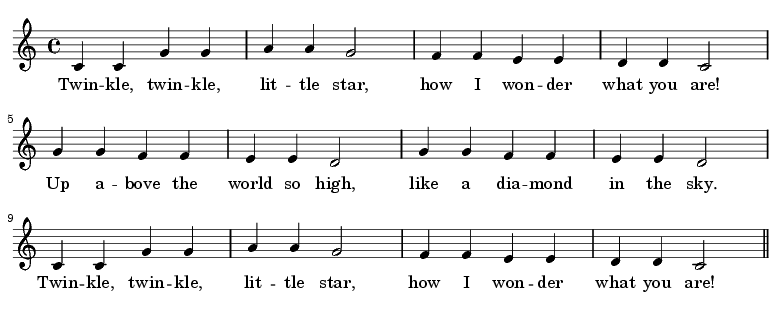
Twinkle Twinkle Little Star - Music and Lyrics

Fingering and Notes (with blow strength) for the Pipe

Also found a great website with blank sheet music. Going to print out the 6-stave (large for elementary school use), just about my speed I suppose; http://people.virginia.edu/~pdr4h/musicpaper/widerule.pdf
Cumulative commitment: 2.5 hours
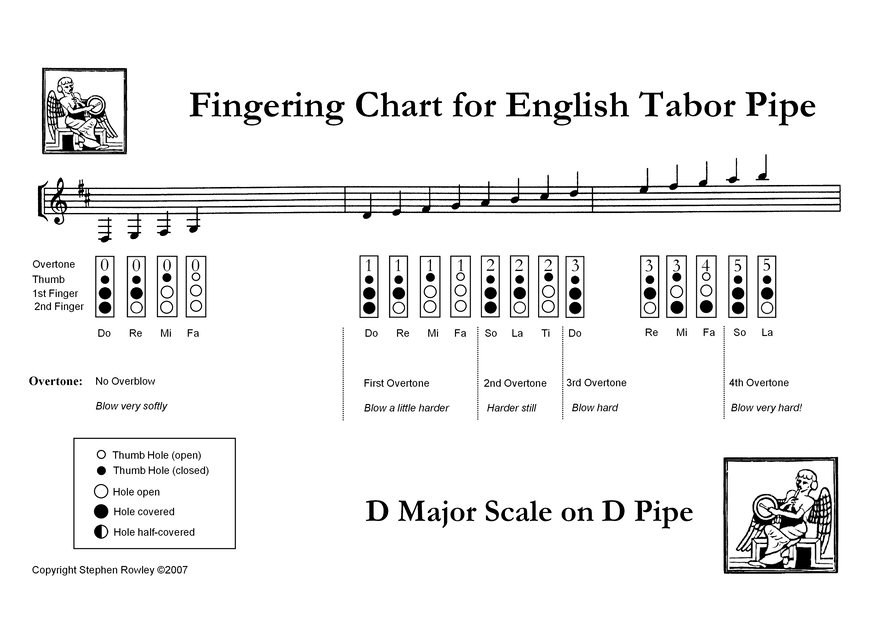
It has also been suggested "twinkle twinkle little star" is easy to learn and has a simple beat so I can easily integrate the tabor. First step is to map the pipe fingering chart to the music. This should be straight forward. My ability to read sheet music is almost non-existent so my learning curve is going to include a many corners. All fun!
Twinkle Twinkle Little Star - Music and Lyrics
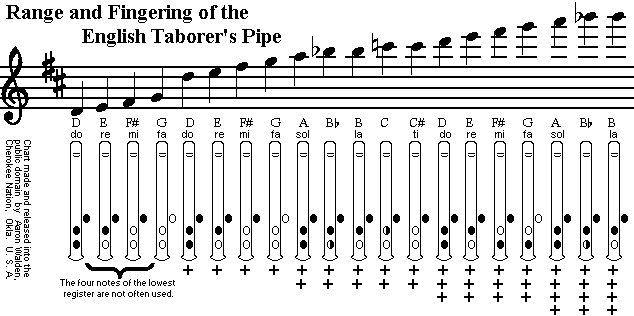
Location of notes of the staff
Cumulative commitment: 2.5 hours
- 1.5 hour reading
- 1 hour blogging (refecting upon)
Sunday, March 13, 2011
Inspire Adult Learners
A few weeks ago I realized that what I really want to do is Inspire Adult Learners, and this is a big part of what I have wanted to do all along. All the work I have done over the last 25 years that has included completing a Masters of Education, developing a lot of software, teaching adults in many different situations and building online communities has been toward one primary goal. I want to inspire adult learners to pursue their passions and use the current technology to assist and facilitate in this pursuit. If you are interested in directing your own learning; the technology available on the internet can provide you most of the tools you require to start being an inspired adult learner.
How to get started
I believe there are two primary activities along the trajectory of self-directed learning online; the consumption of materials and the production of materials. Start with consumption, then very quickly get into production.
 |
| Learning happens with a story, some educational resources and good friends. |
How to get started
I believe there are two primary activities along the trajectory of self-directed learning online; the consumption of materials and the production of materials. Start with consumption, then very quickly get into production.
- Start with blogging. There is no shortage of research indicating that reflecting upon a situation deepens the understanding of the situation. Writing to a blog is exactly that, and to have the blog public only increases a persons quality and further deepens learning.
- Get a better understanding of RSS. RSS is the how you are notified of when your favorite new information becomes available.
- Set up an RSS reader. Setting up your own RSS reader is like creating your own personalized online magazine that only contains articles you are interested in.
- Start tagging. Tagging allows you to create a personalized catalog of all the information you find on the internet.
- Further develop your producer skills. Write lots of blog posts about what you are interested, reflect (in writing) about all that you have learned. (Note: creating learning resources for your consumption on how to develop producer skills will be a big part of this blog over the next while)
- Iterate; Share... revisit old ideas, build on current ideas, have fun, write, blog post, learn, revisit old ideas, build on current ideas, have fun, write, blog post, learn, do it again...
- Engage; Share...tag interesting articles, subscribe to RSS feeds of interest, tag interesting articles, subscribe to RSS feeds of interest,do it again...
Saturday, March 12, 2011
Progressive Video; Platform and Pedagogy
15 months back I described the design / creation of a progressive video assessment system. The AIM Language Professional (ALP) web site has now gone live and therefore so has the technology platform which implements progressive video assessment. We have also recently submitted this project to be considered for the CNIE-RCIE Award of Excellence and Innovation in Instructional Design, wish us all the best.
 The Platform
The platform for building and hosting this product is Drupal 6.x using Kaltura for hosting and streaming the video. After a fairly rigorous selection process the project chose Drupal for a number of reasons;
 Kaltura was chosen for video hosting for its openness, ability to integrate well with Drupal, and easy pricing model.
The Pedagogy
The AIM language professional site was designed to use existing (yet emerging) pedagogical approaches by following both progressive inquiry and connectivism. These two approaches are very well suited to encouraging a learner by their progressing through learning modules while being supported by the network of peers present within the site.
The progressive inquiry model is designed to facilitate engagement in an in-depth process of inquiry and expert-like working with knowledge that are essential for productive participation. The model moves between different activities of discovering and presenting new knowledge, critical reflection, deepening research and activities, and engaging a distributed network of expertise.
The connectivism model is grounded in forming connections where learning is a process of connecting specialized nodes or information sources. Aim Language Professional allows a person to create and connect to many different nodes of either their or others’ making. These nodes include; writing, reflection, video, discussion, quizzes, exams, gesture database, notes, messages and posts.
The use of these two pedagogical approaches occur in the following areas within the site;

The platform for building and hosting this product is Drupal 6.x using Kaltura for hosting and streaming the video. After a fairly rigorous selection process the project chose Drupal for a number of reasons;
- its content management features
- its community and discussion features
- its mature developer community and related support
- the ability to find a very good contract development company
- its ease to integrate with video hosting and streaming providers
- its ability to implement a great user experience
- its open source

The Pedagogy
The AIM language professional site was designed to use existing (yet emerging) pedagogical approaches by following both progressive inquiry and connectivism. These two approaches are very well suited to encouraging a learner by their progressing through learning modules while being supported by the network of peers present within the site.
The progressive inquiry model is designed to facilitate engagement in an in-depth process of inquiry and expert-like working with knowledge that are essential for productive participation. The model moves between different activities of discovering and presenting new knowledge, critical reflection, deepening research and activities, and engaging a distributed network of expertise.
The connectivism model is grounded in forming connections where learning is a process of connecting specialized nodes or information sources. Aim Language Professional allows a person to create and connect to many different nodes of either their or others’ making. These nodes include; writing, reflection, video, discussion, quizzes, exams, gesture database, notes, messages and posts.
The use of these two pedagogical approaches occur in the following areas within the site;
- Learning organizer – this aspect of the ALP allows the learner to organize all their work into a single online portal that they can easily manage. The innovation occurs in how comprehensive and accessible the knowledge gathering toolset facilitates learning, reflection and mentor/peer based learning.
- Mentorship and peer review – the use of learner uploaded video with peer mentorship makes innovative use of video-upload services and the discussion that can occur around the video for assessment purposes.
- Remote observation of classroom – the video also allows for remote (asynchronous) observation of the classroom for rapid assessment feedback to the learner.
Friday, March 11, 2011
Reflections on Software Quality

The great thing is that software testing is a mature practice and their are many options available to organizations who are involved with shipping software. There are many testing frameworks, approaches and standards available. I see there are two themes with software testing; the first being the traditional that was born out of some of the big quality standards like ISO and CMMI. And the second that came from the agile approach of developing software. I have experience within both themes, and my preference is with the Agile / Automated approaches.
CMMI is subscriptive not prescriptive. In other words it is a set of guidelines where your organization needs to have or create the practices that fit the guidelines. CMMI doesn't tell you how to do it (cause that depends on organizational culture) it just says that you need to do these things if you want to achieve a certain amount of maturity in relation to your organizations software development capability.
In my mind, Agile testing means automated testing. The idea being that testing is as automated as it can be and is built into the software development life cycle. In some situations an automated test suite is built before coding of the software has begun. Another would be while the software is being built a dedicated Quality Assurance (QA) team builds automated tests and works in concert with the developers to test as features are being buit, this is my preferred approach. All this is known as test driven development. The cool part of this is a projects can have thousands of automated tests and if a software build makes it through all the tests it will automatically be migrated to quality assurance for the next round of testing to begin. If the test suite fails everyone knows immediately and can address the issue based upon the knowledge of what code changes were most recently done. It can be very motivating to developers to have such a mature development environment.
No matter where your organization sits with all this, thorough testing needs to be done. And having testers who can as closely model end-users would be preferred. If your not that thorough during your software development process your users will quickly let you know where the flaws can be found. Hopefully, your organizational brand will not be negatively impacted by these user discovered flaws.
Wednesday, March 09, 2011
Daughters first radio interview as a musician

http://www.cjsf.ca/vanilla_archives/2011_March_08_19_00.mp3
http://www.cjsf.ca/vanilla_archives/2011_March_08_19_30.mp3
Love you Ana Rose! Keep learning outside the institution!
A New Culture of Learning

"A New Culture of Learning: Cultivating the Imagination for a World of Constant Change", Douglas Thomas and John Seely Brown.
Just finished reading the new book from Douglas Thomas and John Seely Brown. It pretty much captures it for me, the whole idea of learning as play and following your bliss (or passion) while pursuing learning is exactly how I see it. If you have been following my blog over the last while and the anchoring of my self-directed "nophd" you will know I firmly believe in the value in learning through following your passion. Outside of the institution it would be a herculean task to complete a PhD without a strong internal motivation. Not to say it is easy from within the institution, just their are structures to help with getting to completion when in the institution. If you are a life-long learner and considering scholarly pursuits this book is a must read for all adult learners; and parents who are wondering best how to prepare their children for a future of constant change.
I have been a follower of John Seely Brown since his co-authorship of the article "minds on fire". This article galvanized my change of career when I brought together 15 years of information technology work with 8 years being college and university faculty. The reason I bought the book was I caught wind of the difference between a collective and a community and how a person learns within the collective. And how a person within a collective is different than a person within a community. Essentially, the person serves the community and the goals of the community where a collective has many participants and the people are served by the collective. This is an important difference to the motivations behind engagement. From the life-long learner perspective, finding a collective where your interests are strongly aligned is a blessing and a great support for your learning.

Thomas and Seely-Brown make use of the word indwelling, which originated from Michael Polanyi. I found the use of the word indwelling as new for me. Though I have thought about it often, particularly as I have been thinking about my "nophd" and how it could take a great deal of time to gain the expertise to have a PhD depth of knowing. And this mastery of a subject occurs through a prolonged study of a subject. For me I recognize this and aspire to master folk music and dance over the next period of time, whether it be 10 or 30 years. As adult learners I believe this is the playfulness and ease which is found as one attains indwelling that will assist in success. All good!
Where I found the book could have elaborated more is in how this thinking could be applied in institutional environments. Over the last few years I have been very critical of institutionalized learning and recently I have been thinking more about all this great work with the new approaches to learning and rarely do I read about how they could alter and enhance institutionalized learning. I thought the book was going to get into it for it touched upon the number of hours students spend on campus and how much "free" time they have outside the classroom. I see this time as being open to be occupied by this kind of learning, the free flow of exploring ideas and following those subjects which excite the learner, even if they are on campus.
I loved the story this book told. It did a great job of setting the stage and followed up with a succinct and powerful description of how people are and will be learning in the 21st century. A great read for all the life-long learners who want to add approaches and understanding to their learning.
Saturday, March 05, 2011
Consolidation of blogs
A month ago I decided to move my website hosting all over to rackspace and this has been progressing very well. Changing hosting providers is not a small task as I have my own domains and those of a couple of clients also hosted with netnation. The hosting provider move will require the following steps;
I have also moved my first blog (2004 - 2007) from blog.rawsthorne.org to have all the post a part of this criticaltechnology blog. There was not an export service from my original blog so this took some effort. It was time well spent as I got to review my past writings. Quite interesting to again read my thinking from six to eight years ago. The main themes and standout posts are;
The next phase of the migration is to create my new rackspace instance. Oh, the technical fun begins...
Contact clients, tell them of the moveAssist clients with their move as we agreeReview my services and develop migration strategyConsolidate my blogs- Create rackspace instance
- Move bit.bc.ca with focus on creating and testing email services
- Move endeavours.com with focus on email services, mysql, php, REST APIs, and Drupal
- Move rawsthorne.org with focus on website and email services
I have also moved my first blog (2004 - 2007) from blog.rawsthorne.org to have all the post a part of this criticaltechnology blog. There was not an export service from my original blog so this took some effort. It was time well spent as I got to review my past writings. Quite interesting to again read my thinking from six to eight years ago. The main themes and standout posts are;
- The importance of software quality on technology start-up success
- The formation of my ideas around ICT4D and how it should be driven from the village out
- The creation of a Learning Systems Architect job description
- A whole lot of thinking about Agile software development and how to manage small teams
- Prediction of SEAMLESS LEARNING
The next phase of the migration is to create my new rackspace instance. Oh, the technical fun begins...
Thursday, March 03, 2011
Internal corporate blogging
With such large numbers of knowledgeable and skilled people retiring, wouldn’t it make sense to have them blog (or contribute to a wiki) every day as a part of their job description. They would create postings about the work they do and the wisdom they have before they leave the building for their retirement. Once in a blog or wiki all this knowledge could then be indexed by the internal indexing / search engine and it wouldn’t be lost.
Tuesday, March 01, 2011
Sir Isaac Newton and Lorenz's Butterfly
Oh the wonders of Morris Dancing. I came to a deeper understanding of one of our dances over the last week. The dance is known as Lorenz's Butterfly. I actually find it one of our most beautiful dances, this is due to its dynamic flow and simplicity. It is also the only dance I know how to call. Here is a version danced by Bogart's Breakfast;
What gave me a deeper understanding was initiated by my watching this outstanding BBC production titled; Complexity - Secret Life of Chaos, and the reading of some amazing scientific minds;
So what really got me thinking about how all this fits together is how the dance has four dancers ganging up on one dancer, dressed as the devil. I see the four dancers being Alan Turing, Edward Lorenz, Boris Belousov and Robert May all beating up on Sir Issac Newton signifying the death of the Newtonian scientific view. And therefore giving birth to a new science that includes Chaos Theory... The dance has the following moves which signify the following themes;
What gave me a deeper understanding was initiated by my watching this outstanding BBC production titled; Complexity - Secret Life of Chaos, and the reading of some amazing scientific minds;
- Edward Lorenz and his work with Chaos Theory and the butterfly effect.
- Alan Turing and his interest in Mathematical Biology.
- And a couple of other amazing minds mentioned in the BBC episode.
So what really got me thinking about how all this fits together is how the dance has four dancers ganging up on one dancer, dressed as the devil. I see the four dancers being Alan Turing, Edward Lorenz, Boris Belousov and Robert May all beating up on Sir Issac Newton signifying the death of the Newtonian scientific view. And therefore giving birth to a new science that includes Chaos Theory... The dance has the following moves which signify the following themes;
- Opening - ganging up on Newton.
- Chorus - exchange of ideas.
- Round the gardener - scientific inquiry within a focused area of study.
- Chorus - further exchange of ideas.
- Flutter - the birth of a new theory.
- Chorus - further exchange of ideas.
- Lines - the communication of a new theory.
- Chorus - further exchange of ideas.
- Exit - the setting free of the new theory.
Subscribe to:
Posts (Atom)